-
 Southwest Florida-based artist Beth Carter Bell has a new exhibition coming to the Grand Atrium gallery at Sidney & Berne Davis Art Center in the downtown Fort Myers River District titled “Diaphanous Vision.” Ahead of the exhibit’s opening reception, Sept. 4, we take a deeper dive into the show and the Data-A aesthetic in which works in the show are grounded.
 -
 Google scientists have led the effort to build a better hurricane prediction model using artificial intelligence.
 -
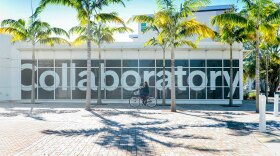 The Collaboratory in downtown Fort Myers will begin hosting free workshops on artificial intelligence on August 14. It will be the first session for business owners, put on by the new Human Intelligence/Artificial Intelligence Hub at the Collaboratory.
 -
 An organization in Southwest Florida is launching an effort to make artificial intelligence more human. It's supposed to show business people and regular citizens how the new technology can be helpful.
 -
 The Florida Department of Education is directing school districts to add artificial intelligence use to their internet safety policies. All districts already have an "Internet Safety" policy in place, and now the DOE is requiring districts to amend the policy to include AI.
 -
 Sham news sites are increasingly common in Florida and across the country, a dangerous development for American democracy by
 -

-
Students in Florida are falling behind the rest of the nation when it comes to reading. The most recent Report Card from The NAEP says this.
-
With the use of Artificial Intelligence, Emmy Award winning composer Lucas Cantor Santiago did the unthinkable and completed Shubert’s previously unfinished eight symphony.
-
America has a new business boom on the horizon, the rise of Chatbots. Red flags about the impact the new technology is having on those with to mental illness, leading to reports of “AI Psychosis”.

© 2026 WGCU News
PBS and NPR for Southwest Florida
Play Live Radio
Next Up:
0:00
0:00
Available On Air Stations


