-
 Two weeks after the Florida Coastal Corridor created an artificial reef off Naples the nonprofit dropped a second one offshore of Fort Walton Beach
 -
 Using fertilizer is best in moderation, but some people overdo it so communities throughout Southwest Florida have bans against using fertilizers during rain-prone summer,
 -
 Planning for, and recovering from, things that pushed wetlands, beaches, rivers, and other natural systems beyond that ability to quickly bounce back is the focus of the sixth annual Southwest Florida Resiliency Summit Southwest Florida Resiliency Summit in Punta Gorda.
 -
 Florida Gulf Coast University researchers are investigating why nearby barrier islands can respond differently to the same storm to give those communities a blueprint for best hurricane protection
 -
 Audubon Florida’s Corkscrew Swamp Sanctuary draws visitors from around the world for its top attractions
 -
 The 2026 Atlantic hurricane season is poised to take the record for the furthest into the season before a hurricane formed.
 -
 The Conservancy of Southwest Florida believes successful flood prevention does not equal lining the coast with increasingly taller seawalls
 -
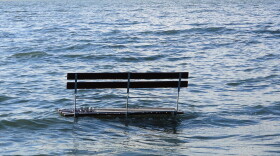 Researchers found sea-level rise can cause fewer jobs, fewer businesses, and slower job growth.
 -
 Lee County Mosquito Control has a new tool in its toolbox for mosquito control.
 -
 Sawfish, members of the stingray family, were once a common sight off Florida's coastline, but they have been unintentionally overfished. State scientists are working to learn more about the elusive fish.

© 2026 WGCU News
PBS and NPR for Southwest Florida
Play Live Radio
Next Up:
0:00
0:00
Available On Air Stations


