

As states across the northern tier of the country deal with ice and snow during the winter season, Florida can see its own unique hazard — dense fog, which can reduce visibility and create dangerous traveling conditions.
Fog forms when water vapor condenses into tiny droplets near the ground, often during the overnight and morning hours when the air is near the dew point.
Foggy conditions are often prevalent during late fall and lasts through early spring, when enough moisture is present.

Out of the many types of fog, there are two forms that are common in the Sunshine State: advection and radiation.
For radiation fog to develop, there needs to be light winds, clear skies and enough available moisture.
During the nighttime hours, the ground cools, leading to the cooling of the air immediately above the surface.
This changes the composition of the air, causing it to drop to the dew point - the temperature at which the air can't hold any more moisture.
At this point, the invisible gas turns into a mist of suspended water droplets, which is known as fog.
During the warmer months, the terrain is usually too warm to significantly affect air temperature, which is why radiation fog is more common during the cooler months.

A second type of fog commonly found around the Sunshine State is known advection fog.
Advection fog occurs when a mass of warm, moist air over a large body of water - such as the Gulf or the Atlantic - moves over the cooler land.
This phenomenon is commonly referred to as sea fog and is most prevalent during the spring months.
Compared to radiation fog, sea fog can linger for hours but is usually confined along the coast.

On some occasions, a combination of both radiation and advection fog can form, creating long-lasting event that can persist through much of the morning.
To warn about the conditions, National Weather Service meteorologists have the authority to issue a Dense Fog Advisory when visibility is reduced to a quarter-mile or less.
The alert is usually in effect for a wide area for several hours until the fog lifts.
Florida averages more than 100 issuances of fog alerts every year, with many events occurring during December, January, February and March.
Beyond temperatures and moisture, smoke from wildfires and controlled burns can mix with fog, creating what is known as "super fog."
This phenomenon is more persistent and unpredictable than regular fog and can cause visibility to drop to only a few feet.
Florida has witnessed how deadly this mixture can be, with several historical pileups on major highways.
Grim reminder of the impacts of smoke and fog
One of the most horrific fog-related accidents in the state's history occurred on January 29, 2012, on I-75 south of Gainesville.
During the early morning, dense fog combined with smoke from a nearby brush fire, dropping visibility to near zero around Payne's Prairie in Alachua County.
Drivers suddenly encountered visibility of only a few feet, leading to a catastrophic, chain-reaction crash.
The Florida Highway Patrol reported that 25 vehicles were involved in the pile-up, resulting in the deaths of 11 people.
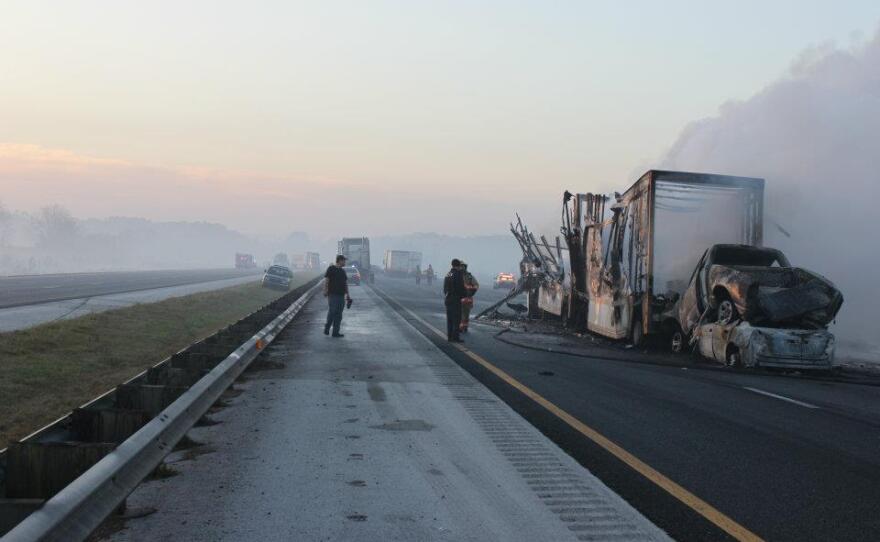
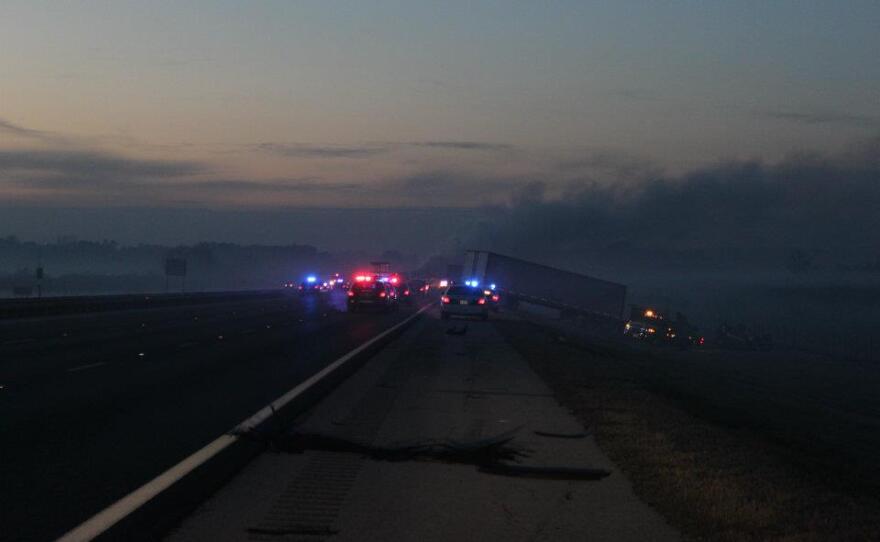
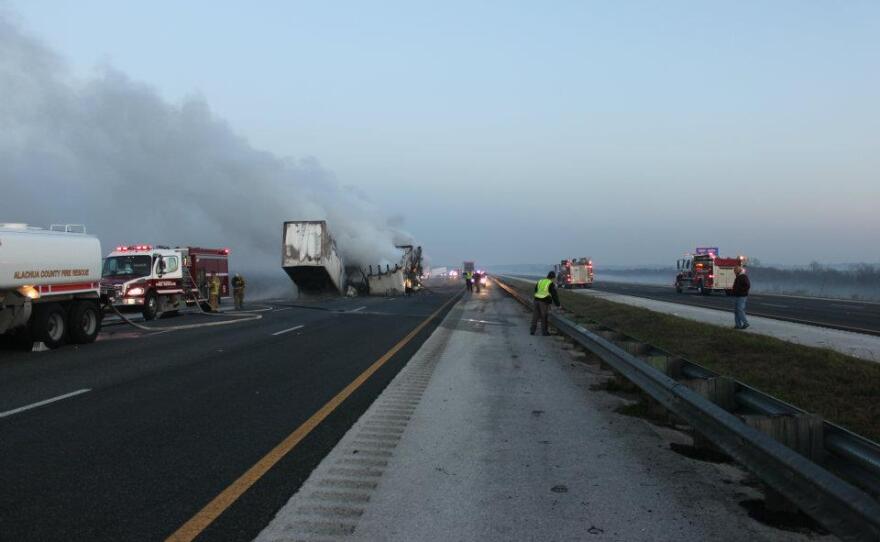
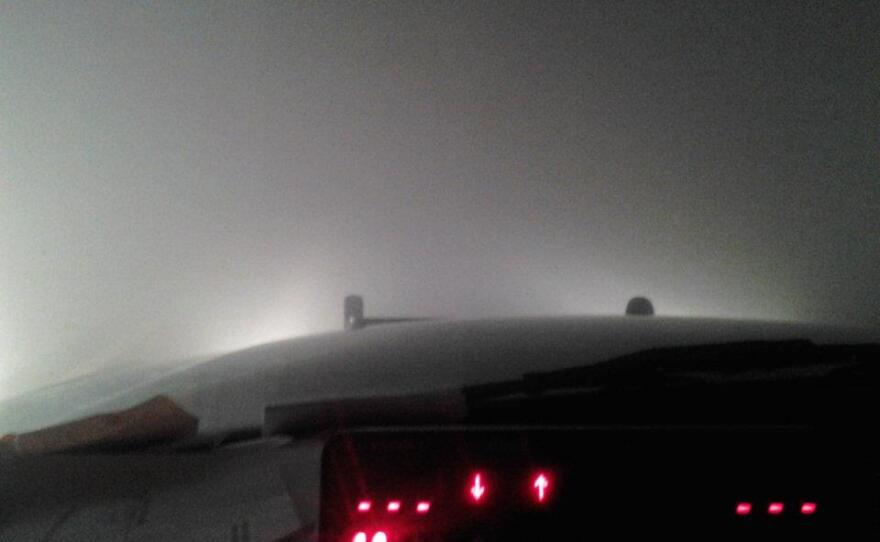
In the aftermath, investigations questioned whether FHP troopers should have closed the interstate.
The Florida Department of Law Enforcement concluded that while no criminal actions occurred, communication failures and policies likely contributed to the tragedy.
Foggy conditions driving recommendations
If you must drive in foggy conditions, meteorologists advise you to slow down and allow extra time to reach your destination.
Using a vehicle's low beams is best, as high beams can create glare during poor visibilities.
If you must stop near a travel lane for an emergency, make sure to activate your hazard lights and set the emergency brake so your tail lights remain illuminated.
Florida Road Rangers are available along some roadways to assist motorists. You can contact the free assistance program by dialing *347 on any mobile phone.
Copyright 2025 Storm Center


