-
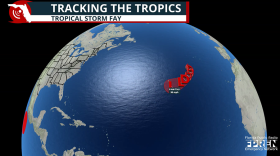 Tropical Storm Fay formed southwest of the Azores in the northeast Atlantic, but there is no direct threat to land.
 -
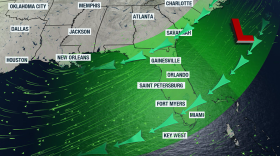 An upper-level low that will move across Florida late during the week and over the weekend will help to increase moisture and erosion to east coast beaches.
 -
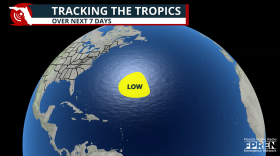 The National Hurricane Center is monitoring a disturbance in the central Atlantic, but the system poses no threat to the U.S. and faces an uphill climb for development.
 -
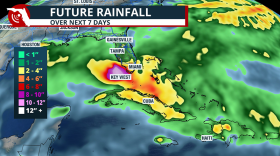
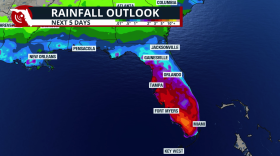 Periods of heavy rain are coming to the Sunshine State. We need the rain, but these amounts could also produce flash floods throughout the rest of the week.
 -
 Tropical Storm Dolly formed on Aug. 27 but less than 24 hours later it degenerated into a tropical wave, east of the Caribbean islands.
 -
 While parts of Central and North Florida have seen heavy rainfall, many areas remain well below normal after two months of the rainy season.
 -
 A lower-category storm can still be deadly, and the kind of danger a hurricane brings often depends on which part of the state is in its path.
 -
 Dangerous heat is coming to North Florida and the Panhandle this weekend; the heat risk moves south next week.
 -
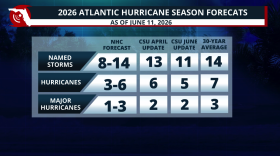 Colorado State lowers its 2026 Hurricane Season forecast due to a strong El Niño developing during the season. What does this mean?
 -
 Since reliable global temperature records began in the 1950s, Earth's warmest years have occurred during El Niño events, while the coolest years have typically coincided with La Niña conditions.

© 2026 WGCU News
PBS and NPR for Southwest Florida
Play Live Radio
Next Up:
0:00
0:00
Available On Air Stations


