

The eastern and central Caribbean are hot and dry! This is due to millions of dust particles suspended in the atmosphere. These particles have traveled thousands of miles from the Sahara Desert in Africa and will continue moving across the western Caribbean before ultimately reaching Florida this week. This could be the first notable Saharan dust plume of the season for Florida. While faint layers of dust have already reached the state, they haven't been noticeable enough—or thick enough—to bring substantial changes to the weather.
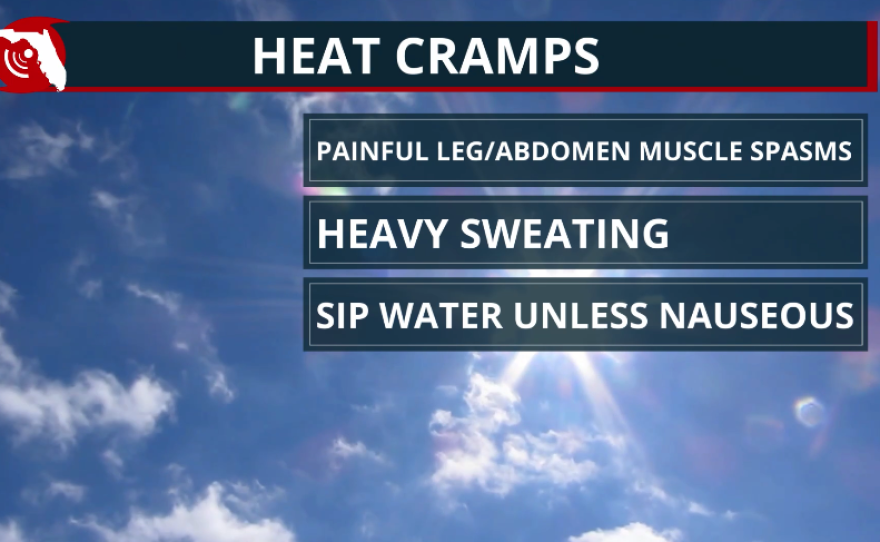
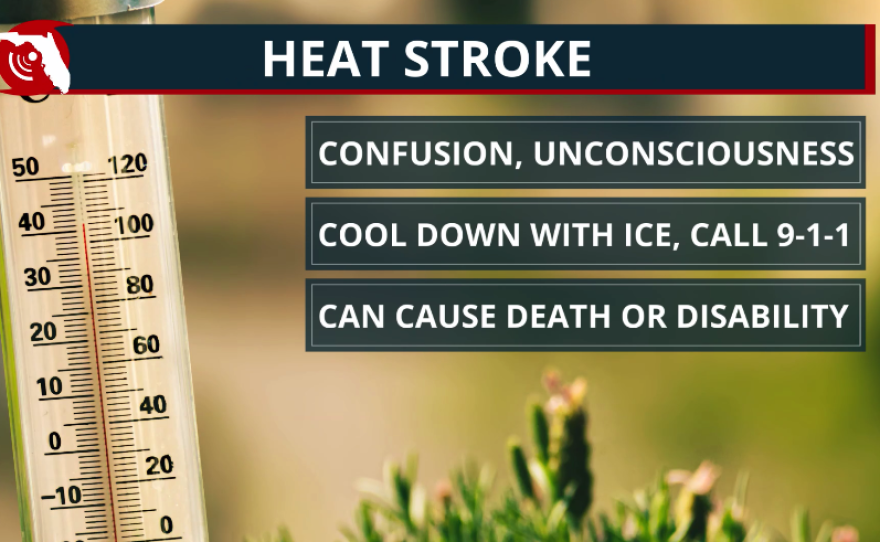
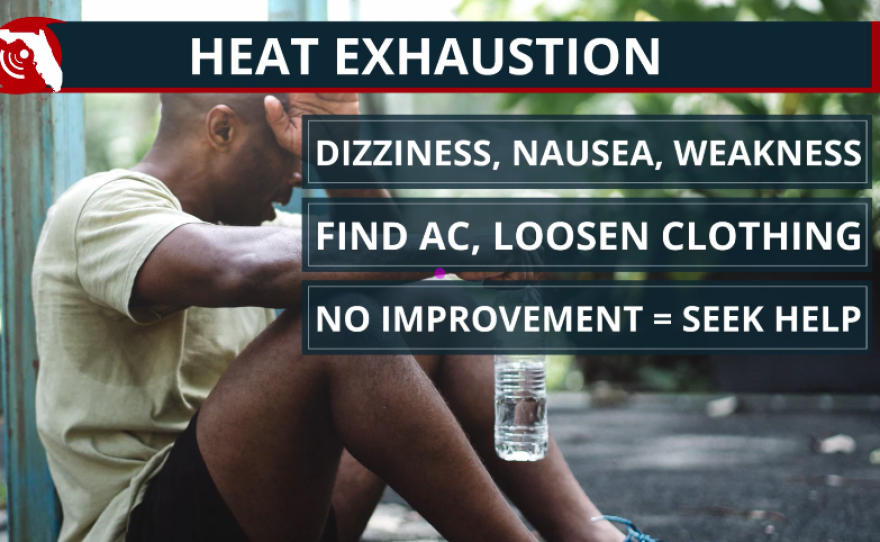
South Florida is expected to see reduced chances of rain and thunderstorms as dust arrives beginning Wednesday. The dust will reach Central Florida by Thursday, also reducing rain chances. Remember that with fewer chances of rain, there will be plenty of sunshine (though not crisp blue skies), allowing temperatures to soar. There is also a chance of hazy conditions on Thursday and Friday across Northeast Florida. While the dust is present, temperatures could reach the mid- to upper 90s, and with the humidity, it could feel as hot as 110°F.
Get ready for some dust... and it seems like it will be several rounds in the coming days. You know what it means.
— Florida Public Radio Emergency Network (FPREN) (@FloridaStorms) July 7, 2026
- Less chance of rain
- Much hotter
- Respiratory issues pic.twitter.com/vw1VHOnCQj
These tiny particles travel thousands of miles within the Saharan Air Layer (SAL), typically located between 0.5 and 3.5 miles above the surface. Saharan dust has been found in virtually every part of the globe—even atop glaciers near both poles.
On average, a new plume arrives in the Western Hemisphere about once a week or every other week, although its density can vary significantly.
NOAA began tracking these annual dust events about 20 years ago. According to the National Weather Service, July 2024 was nearly 60% to 70% dustier than usual, making conditions especially difficult for people with allergies. That plume was estimated to be roughly the size of the contiguous United States and was one of the largest Saharan dust events ever tracked.NOAA
Saharan dust can mean hotter temperatures, which can be problematic for people with respiratory conditions. However, it also suppresses tropical activity and delivers valuable nutrients to the world's largest rainforest, the Amazon. Let's dust it all off!
The Bad: heat & nutrients for algae blooms
Most Saharan dust remains between 5,000 and 20,000 feet in the atmosphere. Eventually, however, some of the particles settle closer to the surface—the air we breathe—and that's when respiratory issues can begin. Saharan dust can irritate the eyes, ears, nose, and throat. If you have allergies or respiratory conditions such as asthma or chronic bronchitis, consider staying indoors when dust concentrations are high, and be sure to take any prescribed or recommended allergy medications.
When Saharan dust is present, temperatures often rise significantly. Dust particles absorb sunlight during the day, warming the atmosphere while also reducing radiational cooling at night. This can lead to higher overnight lows and warmer mornings. Because afternoon thunderstorms are often suppressed, there is less natural cooling, allowing the atmosphere to heat up even more.
Finally, the same nutrients that replenish the Amazon rainforest and nourish Caribbean beaches also settle into the ocean. Along Florida's Gulf Coast, these nutrients can feed algae that contribute to harmful algal blooms, including red tide.
The good: Saharan dust also brings nutrients to the forest & less chance of tropical activity
One major benefit of Saharan dust is that it suppresses tropical development. Strong, well-organized storms can often overcome the dry, dusty air, but weaker or poorly organized systems typically struggle to survive in the presence of Saharan dust.
The dust also delivers essential nutrients, including phosphorus, to the Amazon rainforest. These minerals, carried thousands of miles across the Atlantic, support plant growth on land and phytoplankton growth in the ocean, making them an important part of healthy marine ecosystems.
Finally, hazy skies filled with Saharan dust often produce spectacular sunrises and sunsets that can last for several weeks. So, while the weather may be hotter during these dust events, be sure to take a moment to enjoy the extra-vibrant colors at sunrise or sunset.


