-
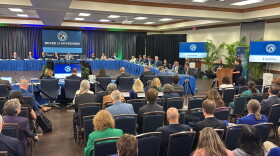 At a meeting at FGCU, Florida Board of Governors bars undocumented students from state's public universities by a vote on an amendment to admissions regulations.
 -
 A pair of private, for-profit companies involved in the controversial operations and medical care at Alligator Alcatraz are positioning themselves as potential contractors for at least five new adult detention facilities sought by the Florida Highway Patrol.
 -
 Since taking over in March, DHS Secretary Markwayne Mullin has pivoted from the confrontational style of immigration enforcement of his predecessor, Kristi Noem. The latest data is reflective of a strategy that is working
 -
 Across Florida, law enforcement officers have been asked to gather names, photographs, addresses and other personal information about people they suspect may be in the country without authorization and upload them to a centralized surveillance database during the course of their routine job duties.
 -
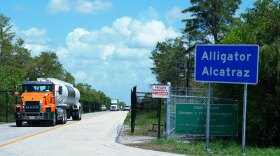 Environmental groups urge appeals court panel to lift halt on closing Florida's 'Alligator Alcatraz'Environmental groups have asked a federal appellate court panel to lift its temporary halt on closing an immigration detention center in the Florida Everglades. Known as "Alligator Alcatraz," the center remains open due to arguments by Florida and the Trump administration. They claimed the state hadn't gotten federal reimbursement, so it wasn't required to follow federal environmental law. On Tuesday, during a hearing in Miami, the judges questioned how much control the federal government had over the state-built facility. Florida was notified in late September of $608 million in federal funding approval. The environmental lawsuit was one of three federal challenges to the facility since it opened.
 -
 A seven-month-old Bonita Springs organization is helping families navigate life after a loved one is deported.
 -
 Seven years ago, during the first administration of President Donald Trump, children were taken from their families the moment they crossed the border into the United States. Under a policy of zero tolerance for illegal crossing, Customs and Border Protection officers detained adults while children were sent into the federal shelter system. The aim: to deter other families from following. But after widespread public outcry and a lawsuit, the administration ended it. Today, family separations are back, only now they are happening all across the country.
 -
The Fallout from the immigration raids conducted by Immigration & Customs Enforcement are beginning to take a toll on small businesses.
-

-
 Department of Homeland Security Secretary Kristi Noem says the Trump administration will soon expand immigration operations in Chicago. Noem confirmed plans for the stepped up presence of federal agents in the nation's third-largest city in a CBS News' "Face the Nation" interview on Sunday. DHS last week requested the Naval Station Great Lakes, about 35 miles north of Chicago, provide DHS limited support in the form of facilities, infrastructure, and other logistical needs for the agency's operations. Pritzker says that the plan to mobilize federal forces in the city may be part of an effort by President Donald Trump to "stop the elections in 2026 or, frankly, take control of those elections."

© 2026 WGCU News
PBS and NPR for Southwest Florida
Play Live Radio
Next Up:
0:00
0:00
Available On Air Stations


